


Educating the Public: Raising Awareness About Mercury Thermostat Recycling
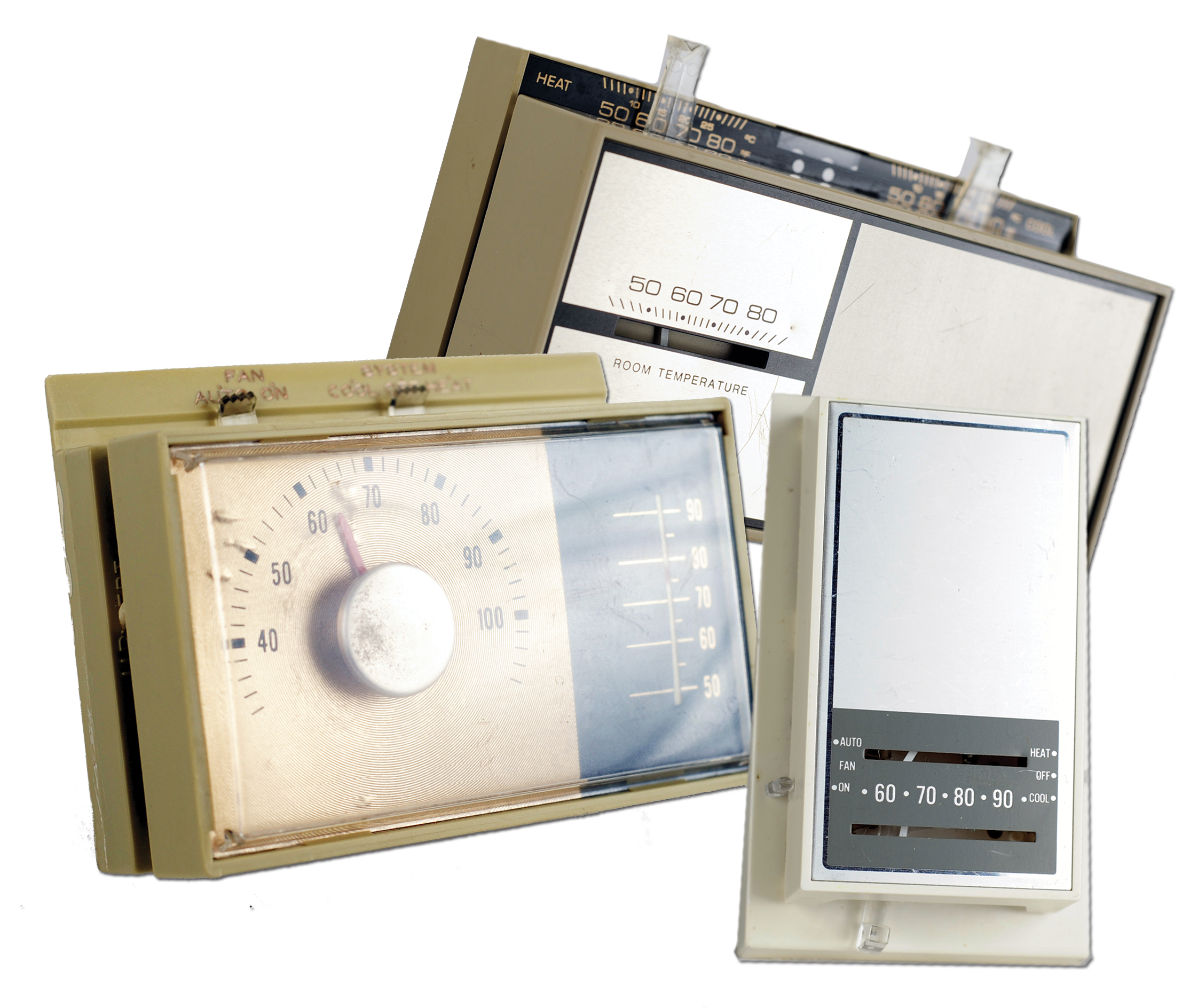
Thermostats that use mercury, a common component in many older households and commercial heating and cooling devices, were ubiquitous in the past but are no longer made. Yet, thermostats containing mercury could still be in use or stored in basements, garages, or supply closets. And when these thermostats reach their end-of-life cycle, it can lead to the release of the material into the environment if improperly disposed of.
Properly recycling thermostats that contain mercury requires public awareness and education. Thermostats are energy-efficient and, therefore, rarely seen as a potential source of contamination. This makes it especially surprising when you realize they can be as dangerous as other objects and substances that readily come to mind, like old paint and light bulbs.
Why Mercury Recycling Matters
A potent neurotoxin, mercury can cause problems for human health, especially for children and fetuses. Even small amounts can harm the brain, kidneys, and nervous system. Improper disposal of mercury thermostats can cause mercury to vaporize and travel in the atmosphere across long distances. Eventually, it settles in water, where it’s converted into methylmercury, a form that accumulates in fish. Those fish and the people who eat them absorb the methylmercury. And this is why, in the recycling process of mercury-containing thermostats, we help to ensure that the hazardous material is handled in a way that protects public health and the environment.
Raising the Awareness Gap
Even though state laws and voluntary recycling programs exist, not all of the public is knowledgeable about the recycling of mercury thermostats. After decades of public relations efforts, many property owners, contractors, and HVAC professionals are aware that these devices contain mercury and that recycling options exist. However, the education effort must continue, whether it is directed at homeowners, retailers, school systems or even the trades. Awareness campaigns can make a meaningful difference.
Tools for Outreach
Public agencies, environmental organizations like Thermostat Recycling Corp., and stakeholders from the HVAC industry can increase awareness.
Education Strategies include:
- Workshops in the community and educational materials that detail the health and environmental hazards associated with outdated thermostats and how to recycle them safely.
- Mailings that reach residents directly, such as utility bill inserts or QR code mailers, which give necessary recycling instructions.
- Partnerships with HVAC contractors, who often first come into contact with old thermostats during service calls and retrofits.
- Online resources and locator tools, such as those provided by the Thermostat Recycling Corp. (TRC), that help the average consumer find a recycling drop-off place.
- School-based programs that can make science education more relevant by connecting it to environmental responsibility and giving students the opportunity to take meaningful action.
Forward Looking
If you hope to change public behavior, one of the initial steps is education. Public understanding of mercury thermostats and their proper disposal is crucial to taking steps toward a better environment. But when you raise awareness with the public, you’re doing much more than just allowing them to recycle. You are educating them. And with this education comes community empowerment to participate in a much larger effort that has more impact. And the really good news is that when you are successful, you tend to lead them to very much better decisions about their environment.